


Sunrise
Changes
Everything.
How to dress for the swing — from a 4 AM parking lot at 22° to a ridgeline at 52° and wind on the ridge. Mountaineering season, 2026.
- Field
- Eastern Sierra
North Cascades - Season
- Spring → Early Summer
Snow, rock, mixed - For
- Alpinistas readers
On the list
A Mountaineering Day
Is Four Days Long.
Because none of us really "start cold, start bold." You leave the car in three layers at 4 AM. The puffy comes off twenty minutes in. The puffy goes back on when you stop to rope up. The sun shirt does the middle of the day alone. By the time you're back at the car, every piece you started in could be back on your body — in a different order, over different skin, for different reasons.
The average alpine day in May moves 35 to 45 degrees between the coldest hour and the warmest — and that's before you factor in exposure, wind, and what the route does to your metabolism. Forty degrees is a lot. Your hands alone will cycle through four states.
The mistake most people make isn't underdressing or overdressing. It's choosing a wardrobe instead of a system — four pieces that coexist, layer predictably, and compress down when they're not being worn.
WIND 0 → 25 mph
SUN Shade → UV 8+
OUTPUT Rest → threshold
SURFACE Snow → rock → snow
HOURS 10 to 14
USE Spring / early summer
TESTED Eastern Sierra
Read the Day
In Four Zones.
Forget hour-by-hour forecasting. Your day is four distinct zones, and each one has a dress code. Learn them once. The packing list stops being a packing list.
Dark, dry, low output. You're hiking flat or uphill in a valley. No wind yet, but no sun either. Everything feels colder than it is because you haven't warmed up.
Sun is starting to rise. Puffy is probably already off. Output has been steady, high. Wind picks up at notches. This is when most people overheat.
The sun is up, beating on the reflective snow. Sometimes the warmest block of the day. You're sweating leading, then standing still belaying. The swing is now pitch-by-pitch.
Wind is highest, sun is behind a ridge, output drops. Temps fall fast. Or full sun as you glissade. You're tired. This is where decisions get made badly when you're uncomfortable.
Five Layers
That Coexist.
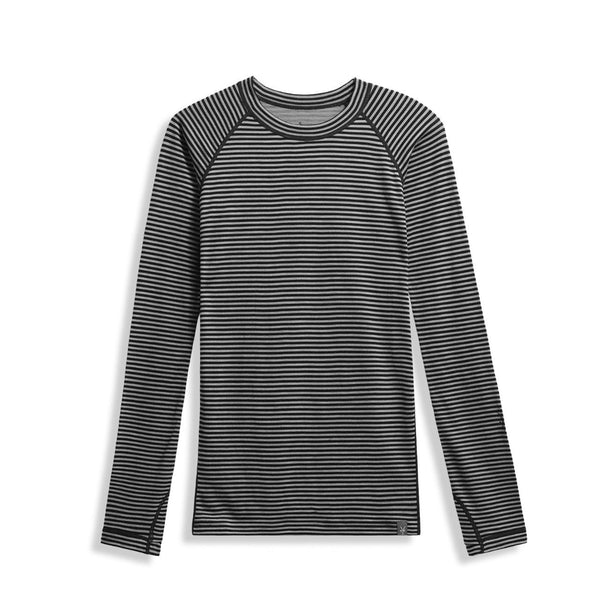
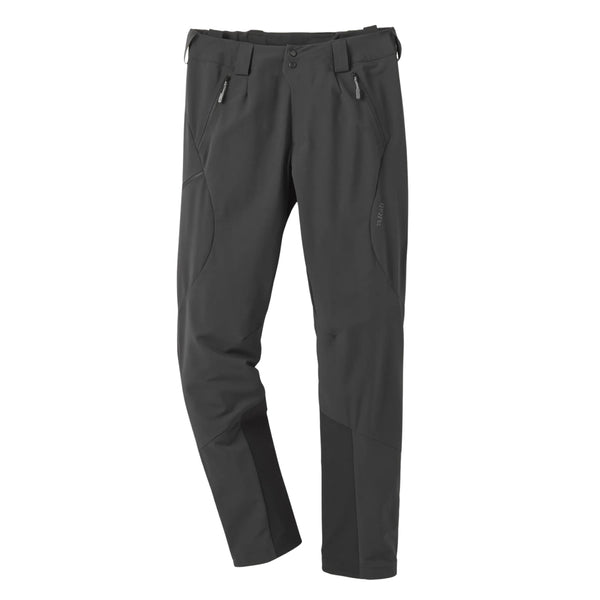
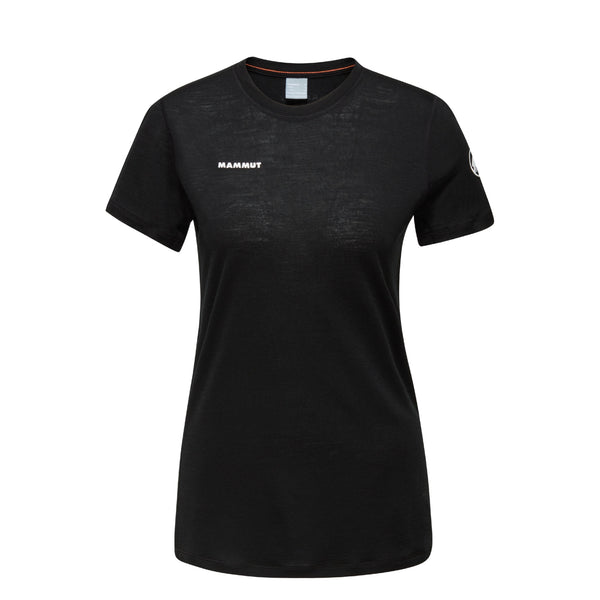
Each one earns its place by doing something the other four can't. Skip any of them and you've forced another piece to do two jobs badly.


The Hard Goods,
And the Small Ones.
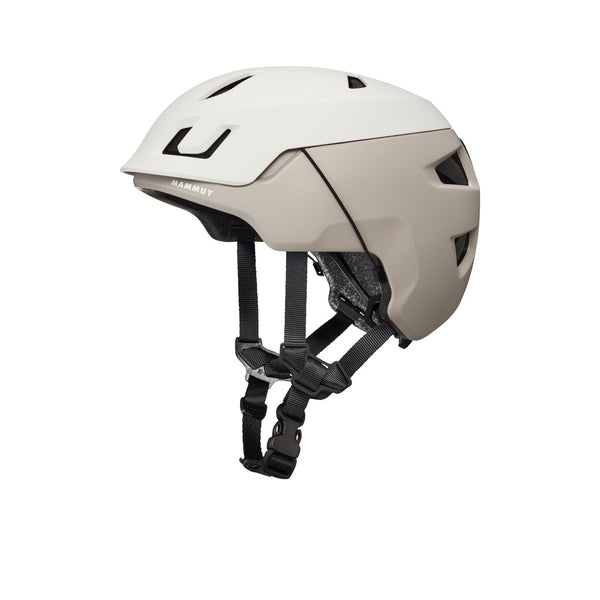
The pieces that don't go on and off — or that stay on your body all day and become the reason you're still warm when the wind comes.
One Day,
Layer by Layer.
A 12-hour mountaineering day in the Eastern Sierra. Moderate grade. Snow approach, rock climb, snow descent. Here's what moves when.
The puffy. Every time you stopped, it came on. Every time you moved again, it came off. If one item is earning overtime, it's the insulated jacket.
Base layer, unless you wore your sun shirt instead. These are your quiet layers — pick them carefully, because you won't have a chance to change your mind about them mid-day.
The List.
Tap to Check.
What leaves the house on a spring alpine day. Tap the boxes — they stay checked until you close the page.
On your body
- Merino base layer, long sleeveIbex Woolies Pro Tech Crew
- Sun shirt, hoodedUPF 50
- Softshell pantsRab Ascendor AS
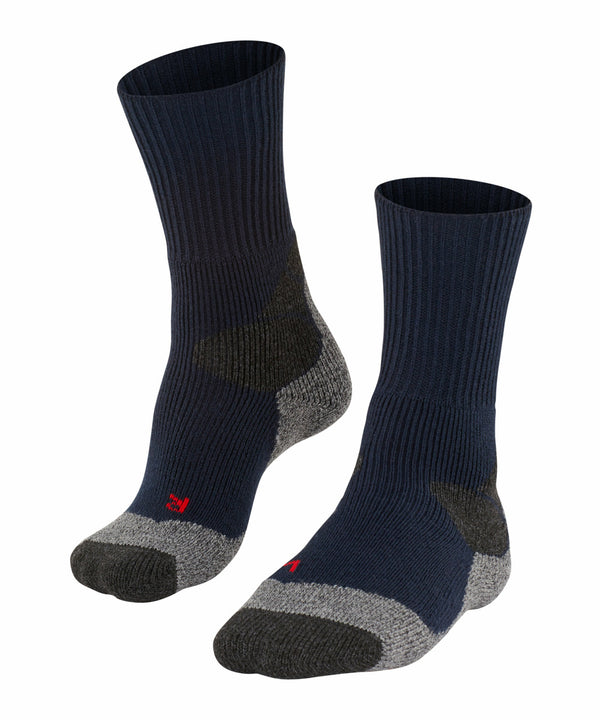
- Mountaineering socksFalke TK4 · 2 pairs
- Boots, laced, broken in
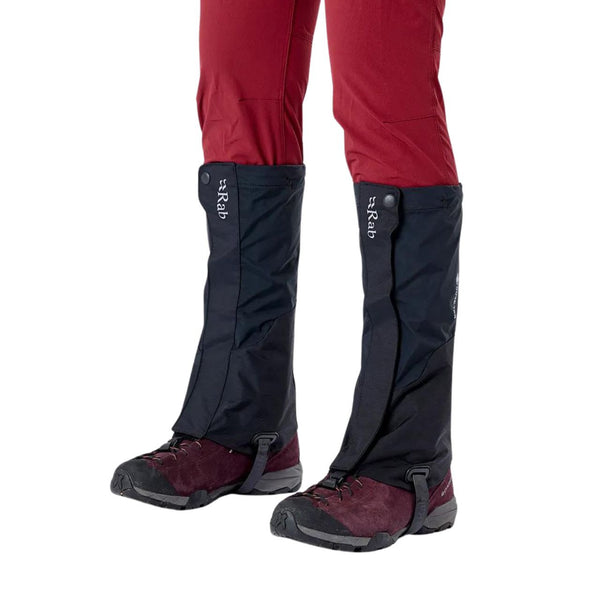
- Low gaitersRab Muztag GTX Pro
- Buff / neck gaiter
In the pack
- Grid fleeceRab Ascendor Light
- Insulated jacketRab Microlight Alpine
- Hat, beanie
- Gloves, liner + midweight
- Sunglasses + sunscreen
- Headlamp + spare battery
- Dry socksFor the drive
Hardware
- HelmetMammut Haute Route
- HarnessMammut Ophir 3 Slide 2.0
- Ice axeBD Raven
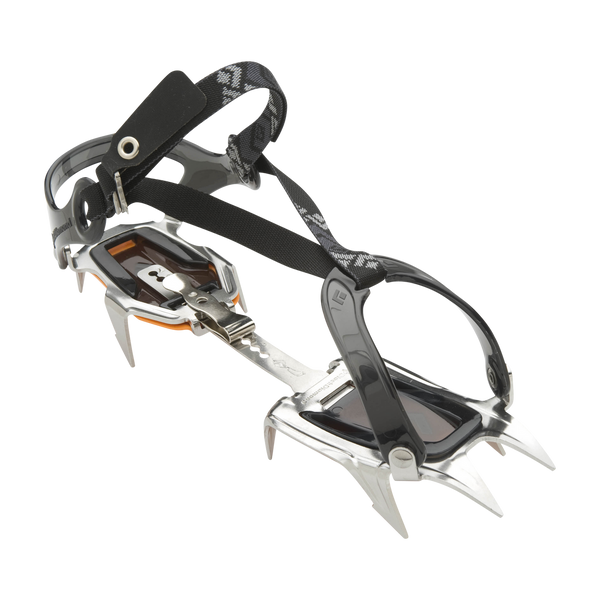
- CramponsBD Contact, aluminum
- Rock shoes
- Rope, rack, slings
- Belay device + locker
Consumables & admin
- Water2 L minimum
- Food2500 cal, salty + sweet
- Map + compassOr downloaded offline
- First aidBlister kit + ibuprofen
- Emergency bivy
- Lighter + tape
- Partner knows the plan, turn-around time
You don't buy a kit.
You build one.
Every piece in this guide is one click away — alongside plenty of other great alternatives we stock. If something made it into this guide, it's because we'd buy it ourselves. Book a private fitting and we'll help you size a helmet, match an axe to your arm, or find a harness that doesn't pinch. No upsell, no rush.